
Executive Summary
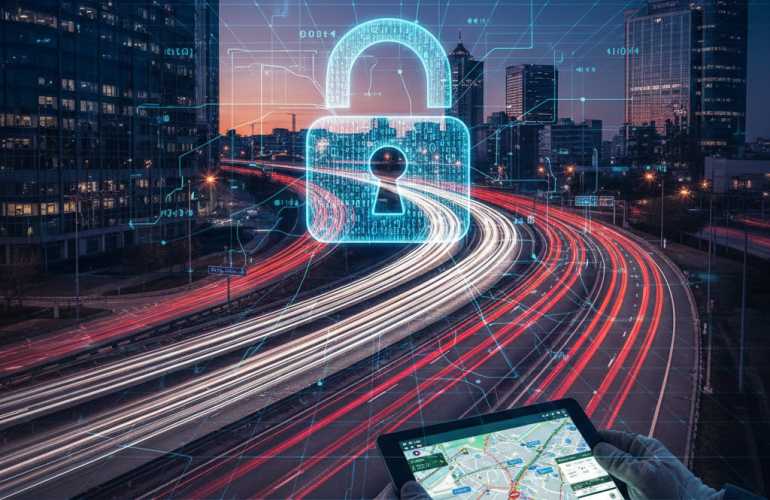
Fleet-based businesses rely on real-time data, connected devices, and cloud systems to optimize routes and reduce costs. But with increased connectivity comes greater cybersecurity risk. This blog outlines how strategic IT solutions can help logistics and transportation leaders balance efficiency with data protection — without slowing operations down.
Why Route Efficiency and Data Security Must Work Together
Fleet operations are under constant pressure to do more with less. Route optimization software, GPS tracking, telematics, and real-time data dashboards offer powerful ways to cut fuel costs, reduce idle time, and improve delivery performance.
But each of these technologies introduces new endpoints, increases network complexity, and opens up potential vulnerabilities — especially as more data flows between trucks, mobile devices, and cloud-based systems.
If left unsecured, these systems can expose sensitive customer information, proprietary logistics data, or even open the door to ransomware attacks that halt operations altogether.
How IT Impacts Fleet Operations and Risk
Modern fleets are increasingly digital. That digital transformation brings benefits and risks:
- Real-time GPS and route optimization tools need constant connectivity and data access.
- Electronic logging devices (ELDs) transmit personal driver data and may connect to other systems.
- Mobile apps and tablets used by drivers often access cloud platforms that store sensitive data.
- APIs and integrations between dispatch, CRM, and analytics systems create complex data flows.
If these systems are not properly secured and monitored, attackers can gain access via any weak point in the chain — often through unsecured devices or outdated firmware.
What Steps Companies Can Take
Even without building a dedicated in-house IT team, logistics and fleet-driven companies can take practical steps to protect their technology investments:
1. Audit All Connected Devices
Know what's on your network. This includes routers in vehicles, handhelds, and mobile hotspots.
2. Segment Network Access
Separate sensitive systems (dispatch, finance, HR) from fleet tracking systems using network segmentation.
3. Implement Endpoint Security
Use managed endpoint protection for all devices, including tablets and mobile phones in the field.
4. Enforce MFA and Strong Access Controls
Ensure only authorized users can access route data, client records, and operational platforms.
5. Update Regularly
Patch firmware and software consistently — including in-vehicle systems.
6. Train Staff on Secure Tech Use
Teach drivers and dispatch teams how to recognize phishing attempts, use VPNs, and secure their devices.
How an MSP Helps Fleet Operators Stay Secure and Efficient
A Managed Service Provider (MSP) or IT compliance firm brings structure and security to otherwise fragmented tech environments common in logistics.
- Asset Management: Track and secure every IT asset across the fleet.
- 24/7 Monitoring: Detect and respond to threats in real time, even from mobile endpoints.
- Cloud Integration Support: Ensure cloud-based route systems and dispatch tools are configured securely.
- Compliance Alignment: Support regulatory needs such as SOC 2, CMMC, or industry-specific privacy standards.
- Disaster Recovery Planning: Prepare systems to recover quickly if an outage or breach occurs.
Best Practices and Takeaways
- Treat trucks as mobile offices. Each connected vehicle needs the same security you'd expect in your main office.
- Map your data flows. Know where operational data lives and how it travels.
- Involve IT in vendor decisions. Route tools and tracking platforms should meet your security standards.
- Align with a compliance-minded MSP. They can build a secure foundation while still prioritizing uptime and efficiency.
Frequently Asked Questions
What is route optimization in logistics?
Route optimization uses real-time data and algorithms to identify the most efficient paths for deliveries, reducing time and fuel costs.
How does cybersecurity impact fleet efficiency?
A cyberattack on route systems or cloud platforms can cause delivery delays, compliance issues, and reputational damage — all of which impact performance and profit.
What IT systems are most at risk in logistics?
Unsecured mobile devices, outdated telematics systems, and poorly configured APIs are common entry points for attackers.
Can smaller fleets benefit from IT solutions?
Yes. With support from an MSP, even midsize fleets can implement enterprise-grade security and route tools without hiring full-time IT staff.
Route efficiency and cybersecurity no longer operate on separate tracks. Businesses that integrate IT into their fleet operations gain a competitive edge in both performance and protection. An experienced MSP makes that integration seamless, scalable, and secure.
Every business faces IT challenges, but you don't have to navigate them alone. Core Managed helps businesses secure their data, scale efficiently, and stay compliant. If you're struggling with any of the issues discussed in this blog, let's talk. Give us a call today at 888-890-2673 or contact us here to schedule a chat.