
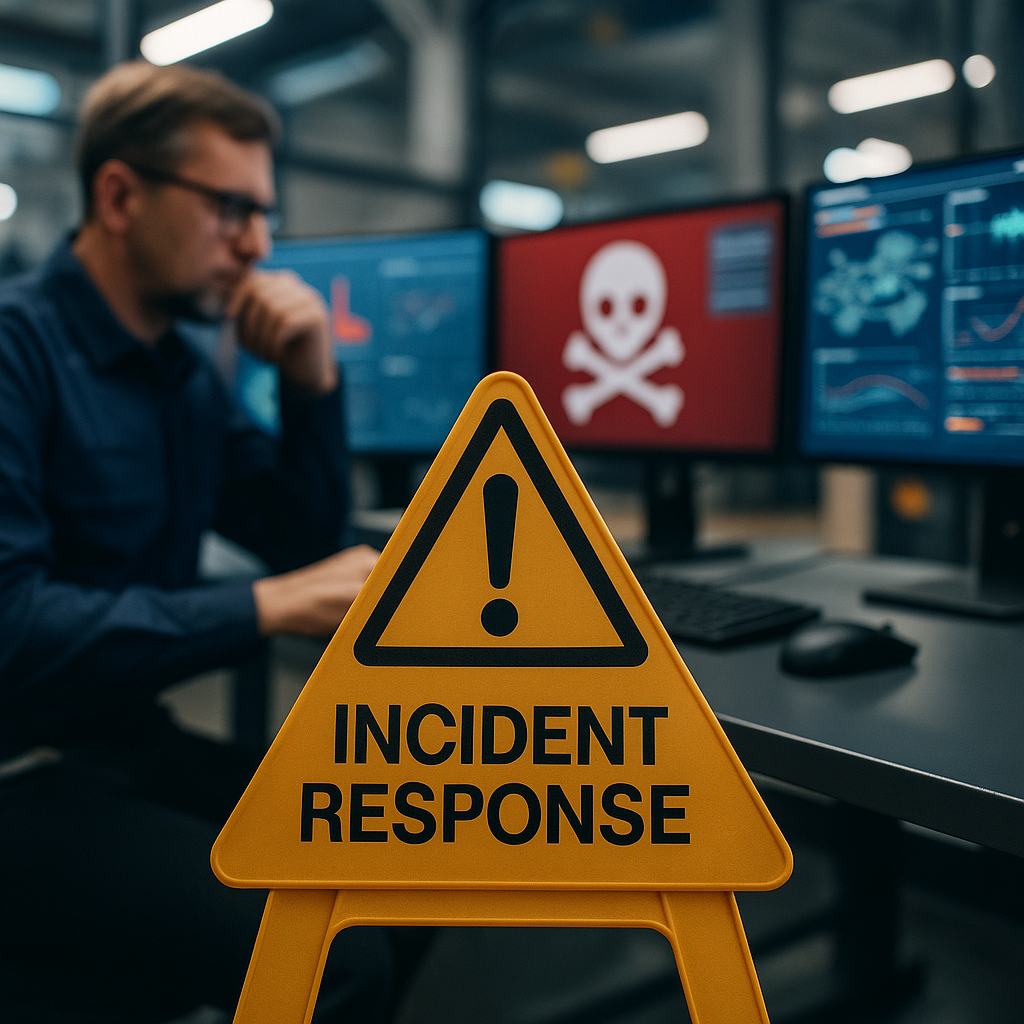
MSPs Turn Cyber Chaos Into Business Continuity
IT disruptions are no longer a matter of “if”—they’re a matter of “when.” Whether it's ransomware, hardware failure, or human error, the cost of unpreparedness can be steep. A strong incident response plan, supported by a Managed Services Provider (MSP), can be the difference between a minor hiccup and a major operational crisis.
Why Incident Response Planning Matters
When a cybersecurity incident or IT failure occurs, the speed and effectiveness of your response determine how much damage your business sustains. Downtime can grind productivity to a halt, damage customer trust, and create costly compliance violations—especially in regulated industries.
Many businesses lack the time, resources, or expertise to create, test, and maintain a comprehensive incident response strategy. That’s where MSPs provide a critical layer of support.
How MSPs Enhance Your Incident Response Strategy
1. Pre-Incident Risk Assessments
MSPs begin by identifying your biggest risks—from legacy software vulnerabilities to unpatched devices and misconfigured security settings. These assessments help prioritize mitigation efforts and define likely threat scenarios so your team knows what to expect.
2. Customized Incident Response Plans
MSPs help develop tailored response playbooks that outline step-by-step actions for common threats like phishing, data breaches, or ransomware attacks. These plans include clear roles, communication protocols, escalation paths, and legal/regulatory response obligations.
3. 24/7 Monitoring and Early Detection
A delayed response is an expensive one. With real-time system monitoring and threat detection, MSPs can identify and contain issues before they escalate. Automated alerts and response protocols accelerate containment efforts, reducing downtime and data loss.
4. Rapid Containment and Recovery Support
When an incident occurs, MSPs act as your first responders—isolating impacted systems, initiating failover solutions, and restoring backup data. Because they already manage your environment, they have the tools and context to move fast and effectively.
5. Communication and Stakeholder Management
MSPs assist in drafting internal and external communications during an incident, ensuring compliance with data breach notification laws and maintaining transparency with customers and partners.
6. Post-Incident Analysis and Continuous Improvement
Once the immediate threat is neutralized, MSPs lead a thorough root-cause analysis to identify gaps and prevent recurrence. They also help update your incident response plan to reflect lessons learned, keeping your strategy agile and up to date.
Benefits Beyond the Breach
Partnering with an MSP doesn’t just help you respond better—it helps you recover faster and emerge stronger. Key benefits include:
Reduced downtime and revenue loss
Better compliance with data protection regulations
Increased confidence among customers, partners, and stakeholders
A more resilient IT environment
Turning a Crisis into a Learning Opportunity
A cyberattack or IT outage is disruptive, but it doesn’t have to be devastating. By partnering with an MSP, your business gains access to a team of experienced professionals equipped to guide you through the worst—and help you bounce back quickly.
When incidents occur, a well-prepared response makes all the difference. MSPs provide the structure, speed, and expertise to keep business disruptions to a minimum and protect your long-term success.
For more insights into how MSPs turn IT challenges into strengths, check out our article in the Indiana Business Journal here.
Every business faces IT challenges, but you don’t have to navigate them alone. Core Managed helps businesses secure their data, scale efficiently, and stay compliant. If you’re struggling with any of the issues discussed in this blog, let’s talk. Give us a call today at 888-890-2673 or contact us here to schedule a chat.