
The Importance of Online Reputation Management
Online reputation can make or break your chances of landing and retaining clients. That’s why managing this aspect in your business is critical.
Your store, whether brick-and-mortar or online, looks great. And your product or service may have struck a chord with the target audience. So, you might think there’s not much more you can do to optimize your business.
But you’re forgetting a crucial aspect – online reputation management.
This is essential for many reasons.
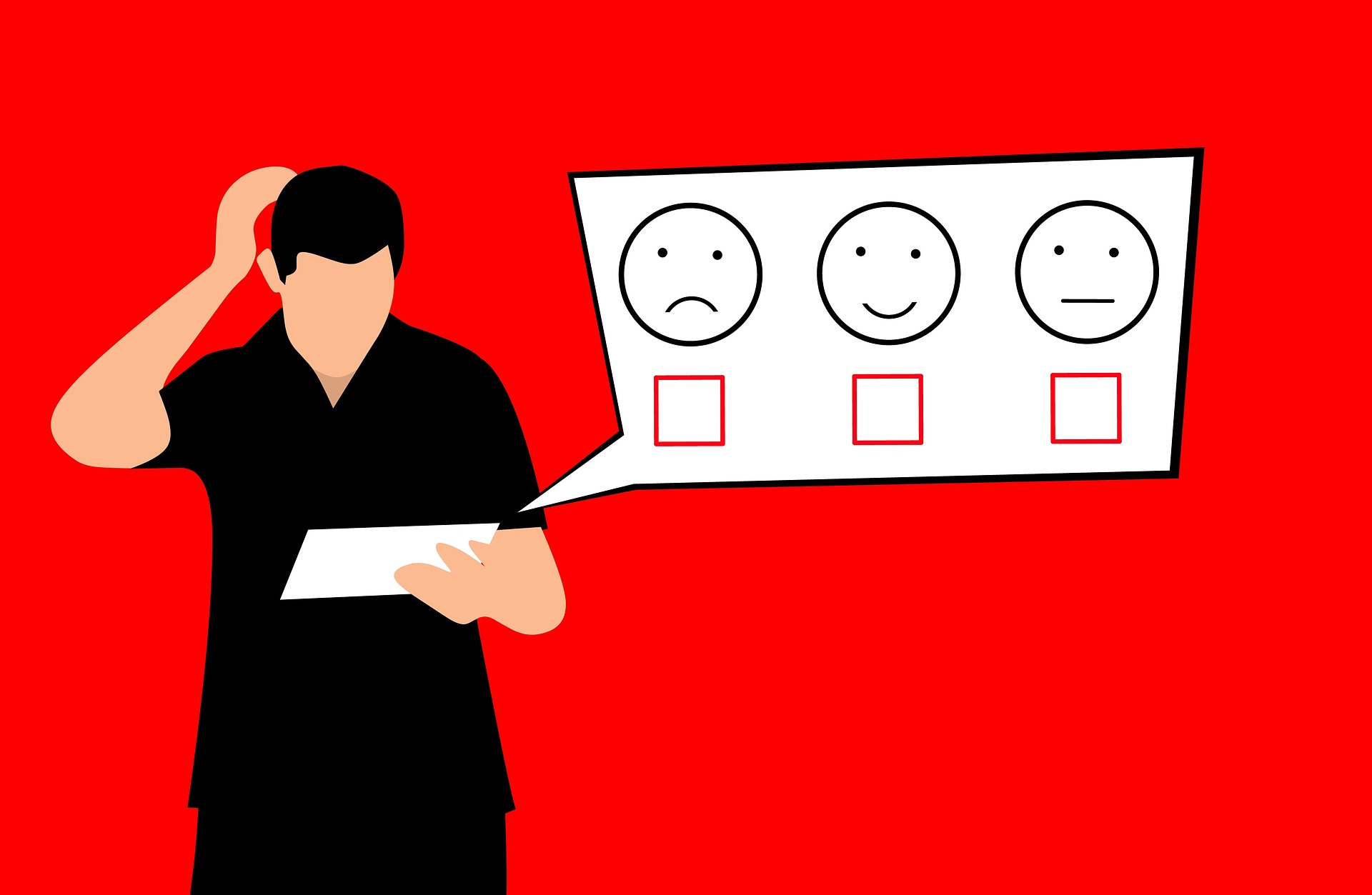
Primarily, most customers investigate your business’s online presence to decide whether they want to purchase your offerings. They check your reviews and social media posts, and anything negative that comes up can put them off your offerings.
With several bad reviews, your online reputation diminishes, and people are less inclined to work with you. Thankfully, effective management can help you get back on track.
This article will share eight tips on how you can improve your online reputation management (ORM).
THE EIGHT TIPS
TIP #1 - MODIFY YOUR SOCIAL MEDIA POLICY
The most important part of enhancing your online reputation is to build and follow effective social media policies in your business. They’ll determine how your company interacts online with your customers.
There are a few things to remember when establishing and maintaining your policies.
In particular, don’t let your staff members freely post whatever they want, especially if the information has to do with your organization. Besides keeping your reputation intact, this also helps eliminate liability concerns.
Instead, create a stringent pre-approval procedure for your business content. Instruct your team members to label their work as “Personal” whenever necessary.
In addition, you should never share sensitive data in public. This applies to your client, legal, and financial information.
TIP #2 - KEEP TRACK OF YOUR SOCIAL MEDIA PRESENCE
Once you’ve modified your social media policy, you need to gauge the audience’s response.
Twitter, Facebook, and LinkedIn are three of the most popular platforms you should focus on. Regularly search your brand or product on each social media to determine what users are saying about your organization.
In doing so, you can diagnose and solve problems more easily. You can also gain invaluable insight into client sentiment towards your brand.
Make sure to examine all relevant networks and not just the platforms you’re actively using.
TIP #3 - RESPOND TO INQUIRIES PROMPTLY
 People expect companies with an online presence to interact with them. That’s why when clients contact you through social media, you should respond to their queries quickly.
Even if you can’t solve their problem immediately, be sure to acknowledge it.
Furthermore, engage with customers who leave comments on your post. It can help foster strong relationships with your target audience.
TIP #4 - ASK FOR REVIEWS
Online reviews are a powerful tool for polishing your ORM. So, if your customers are happy with you, ask them to describe their experience with reviews.
If your customer base is large, you can set up email marketing campaigns to encourage your clients to post reviews. But if the strategy isn’t fruitful, try to improve it by incentivizing people with competitions or giveaways.
In terms of the platforms you should use for reviews, Yelp and Google might be your best solution. They can also help you rank higher in search results, increasing your trustworthiness.
TIP #5 - PROMOTE TRANSPARENCY
Transparency is key to building trust. Since anyone can track down your previous online statements, trying to cover them up can result in severe backlash.
Therefore, practice honest marketing and communication online. Acknowledge your mistakes and try to make up for them.
On top of that, don’t hide or delete negative comments. Apologize for any inconveniences and offer a solution.
You should also avoid leaving fake reviews on the websites of your competitors to undermine their credibility. Apart from ethical issues, it can be a total waste of time. Google and other influential websites have powerful algorithms that can weed out fake customer feedback. Hence, posting them to present your business as superior usually comes to nothing.
Instead, focus on streamlining your products or services to encourage authentic reviews. They can go a long way in boosting your online reputation.
TIP #6 - KEEP IT NEUTRAL
Letting your emotions dictate your online content is one of the biggest mistakes you can make when managing your online presence.
Discussing politics, religion, and other controversial topics can lose you a lot of customers. Unless they play a pivotal role in your business, avoid mentioning them.
Remember, your goal is to appeal to broader audiences. So, keep your tone neutral.
TIP #7 - DON’T IGNORE OR RESPOND AGGRESSIVELY TO CRITICISM
Negative feedback is painful. They might either offend you and make you want to ignore what was said or start a fight with the customer. However, both actions are ill-advised.
Ignoring negative comments seems like you’re not taking client issues seriously. Irate customers can even post their complaints on various platforms. Since those platforms can reach millions of people, it can do a lot of harm to your online reputation.
The same goes for aggressive responses. That’s why rather than sending angry emails or abusive rants to defend yourself, reply to your clients promptly and address their issues as well as you can.
TIP #8 - CONSISTENTLY POST HIGH-QUALITY CONTENT
Building and maintaining an admirable online reputation requires consistency. Remember, your customers follow your page because they expect you to post engaging content regularly.
That’s why updating your social media with five posts one day and going silent for the next couple of weeks isn’t welcome. Establishing a clear routine is much more favorable.
Moreover, be sure your content is valuable and niche-specific by using stronger headlines and appropriate keywords. They can help you rank higher on Google, generating greater engagement and additional traffic.
DON’T LET YOUR ONLINE REPUTATION FEND FOR ITSELF
Assuming your company doesn’t need ORM is one of the most serious mistakes you can make as a business leader.
Your reviews might be positive today, but this doesn’t mean they’ll be positive tomorrow. It can change instantly if you neglect your social media presence.
To avoid this scenario, adopt the most useful ORM practices.
If you need help in ensuring your ORM is top-notch, reach out to us for a quick, obligation-free chat. Find out how we can be of help in ensuring your business has a great online reputation.
Article used with permission from The Technology Press.